Lithium niobate wafers have become a cornerstone material in high-frequency radio frequency applications, especially in the era of advanced wireless communication, including fifth-generation networks, wireless connectivity, and miniaturized electronic systems. Known for their strong piezoelectric properties and excellent electro-optic performance, lithium niobate wafers are widely used in surface acoustic wave devices, filters, and modulators.
Selecting the right lithium niobate wafer is critical to achieving optimal device performance, signal stability, and long-term reliability. This guide explores the key factors engineers and buyers should consider when choosing lithium niobate wafers for high-frequency radio frequency applications.
Lithium niobate is a ferroelectric crystal with outstanding electromechanical coupling properties. This makes it highly efficient for converting electrical signals into acoustic waves and vice versa. For high-frequency applications, this efficiency directly impacts device sensitivity, bandwidth, and insertion loss.
Key benefits include:
High electromechanical coupling coefficient for efficient signal conversion
Low acoustic loss for improved signal integrity
Wide bandwidth capability for high-frequency operation
Excellent thermal and chemical stability
These characteristics make lithium niobate particularly suitable for demanding radio frequency environments.
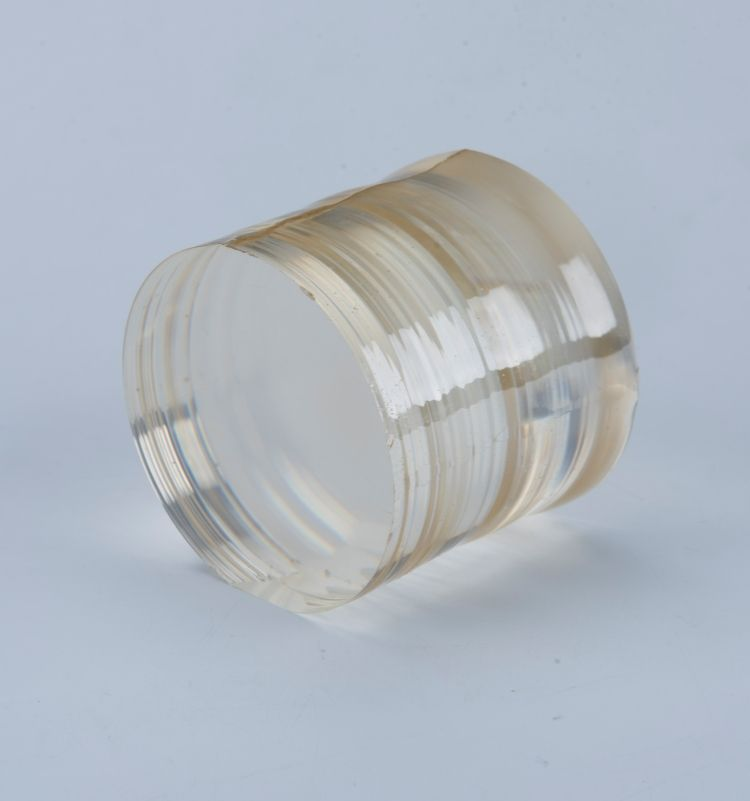
Crystal orientation plays a decisive role in determining device performance. Different cuts of lithium niobate wafers provide varying levels of coupling efficiency, temperature stability, and frequency response.
Common options include:
128° Y-cut lithium niobate
Widely used in surface acoustic wave filters due to its high coupling coefficient and suitability for high-frequency devices
Y-cut lithium niobate
Offers balanced performance for general-purpose acoustic applications
X-cut lithium niobate
Often used in optical and electro-optic applications but can be adapted for specialized radio frequency designs
For high-frequency radio frequency filters and resonators, 128° Y-cut is typically the preferred choice due to its superior performance.
The operating frequency of a device is closely related to the thickness of the wafer. Thinner wafers are generally required for higher frequency applications.
When selecting a wafer:
Ensure precise thickness tolerance to match target frequency
Consider ultra-thin wafers for gigahertz-level applications
Verify uniformity across the wafer to avoid performance inconsistencies
Advanced polishing and lapping processes are essential to achieve the required thickness accuracy.
Surface condition directly affects acoustic wave propagation and device efficiency.
Important considerations include:
Low surface roughness for minimal signal scattering
High flatness to ensure uniform wave propagation
Defect-free surfaces to reduce energy loss and improve yield
Optical-grade polishing is typically required for high-frequency devices.
Lithium niobate naturally exhibits a pyroelectric effect, which can lead to charge accumulation and potential discharge during processing or operation.
To address this:
Consider wafers with controlled surface treatments
Evaluate options such as doped or modified lithium niobate
Ensure proper handling and packaging to prevent electrostatic damage
Managing this factor is especially important in high-frequency and high-precision environments.
Doping can significantly enhance the performance of lithium niobate wafers for specific applications.
Common enhancements include:
Magnesium-doped lithium niobate for improved resistance to optical damage
Iron-doped variants for photorefractive applications
Customized compositions for tailored acoustic and electrical properties
Selecting the right material composition can improve device efficiency and durability.
Modern applications often require wafers in different sizes and specifications.
Typical considerations:
Standard diameters such as 2 inch, 3 inch, and 4 inch
Custom shapes and orientations for specific device designs
Edge finishing and thickness uniformity for automated processing
Working with a supplier that offers customization ensures better compatibility with your production process.
Different radio frequency applications demand different wafer characteristics:
Surface acoustic wave filters require high coupling and low loss
Resonators demand excellent frequency stability and high quality factor
High-frequency modules need consistent performance across temperature ranges
Understanding the end-use application helps in selecting the most suitable wafer specifications.
The quality of lithium niobate wafers depends heavily on the manufacturing process.
When evaluating suppliers, consider:
Crystal growth technology and purity levels
Precision in cutting, polishing, and inspection
Consistency across production batches
Ability to provide technical support and customization
Reliable suppliers ensure stable performance and long-term supply consistency.
As wireless technologies continue to evolve, the demand for high-performance lithium niobate wafers is increasing:
Expansion of high-frequency communication systems
Integration with advanced acoustic and photonic devices
Development of thinner and higher-quality wafers
Increased focus on low-loss and high-efficiency materials
Staying aligned with these trends helps in making forward-looking material choices.
Choosing the right lithium niobate wafer is essential for achieving high performance in radio frequency applications. Factors such as crystal cut, thickness, surface quality, and material composition all play a crucial role in determining device efficiency and reliability.
By carefully evaluating these parameters and working with experienced manufacturers, engineers and buyers can ensure optimal results in high-frequency surface acoustic wave devices, filters, and other advanced radio frequency systems.



Copyright © Hangzhou Freqcontrol
Electronic Technology Ltd.
All Rights Reserved | Sitemap |
Powered by 







 中文
中文


