In high-temperature optical systems, experts frequently encounter a significant challenge: selecting materials that can withstand extreme conditions without compromising performance. Traditional substrates often falter under elevated heat, leading to distortion and degradation of optical clarity. Quartz glass substrates, known for their impressive thermal resistance, transparency, and chemical
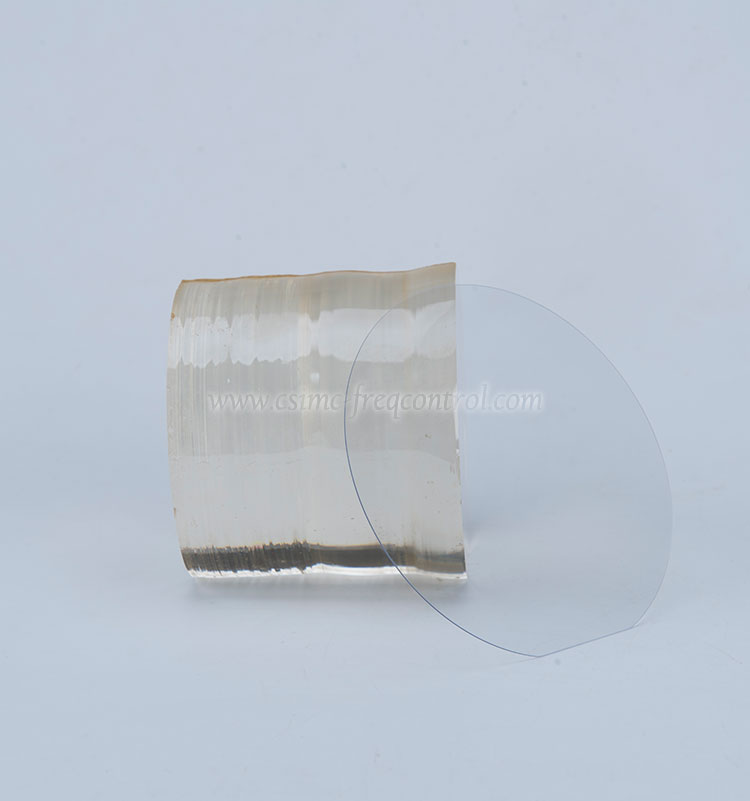
High-purity quartz wafers are critical components used in various industries, notably in the production of semiconductors, optical devices, and solar cells. These wafers, often derived from single crystal quartz, are renowned for their exceptional purity and precision, which can reach tolerances of 0.01 mm. Businesses that rely on high-purity quartz benefit from enhanced performance and
Manufacturing single crystal quartz wafers involves an intricate process of transforming high-purity quartz into thin, flat slices used primarily in the electronics industry. These wafers are vital components in quartz crystal oscillators, which regulate frequencies in various devices, including smartphones, watches, and computers. The precision required in producing these wafers is paramount;
Understanding how cut angle affects the performance of single crystal quartz wafers is crucial for any business involved in high-precision applications. By mastering this concept, you can optimize material performance, which directly enhances product quality, efficiency, and cost-effectiveness. In this guide, I will outline clear, actionable steps to maximize the utility of single crystal quartz
Copyright © Hangzhou Freqcontrol Electronic Technology Ltd. All Rights Reserved | Sitemap | Powered by