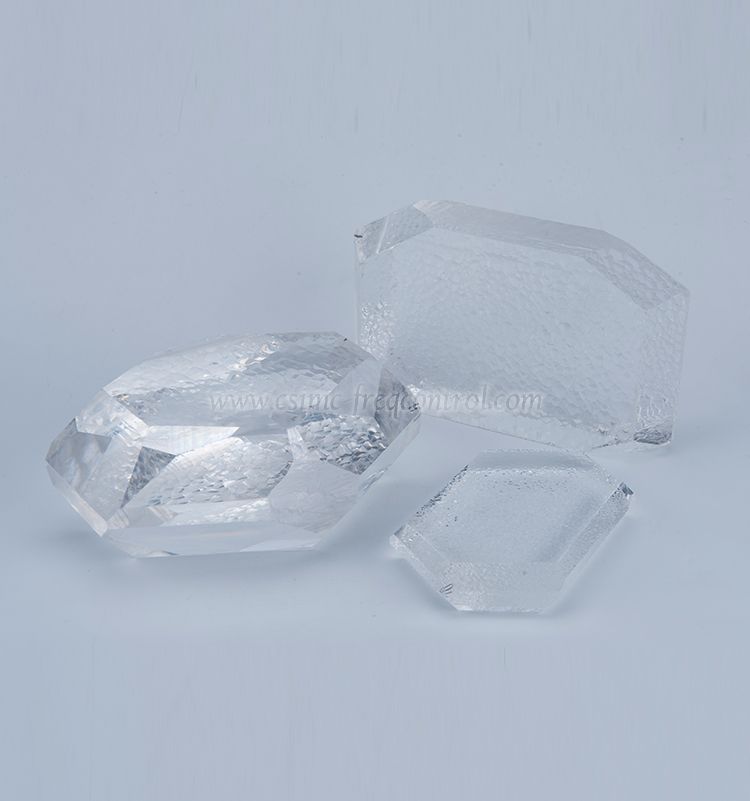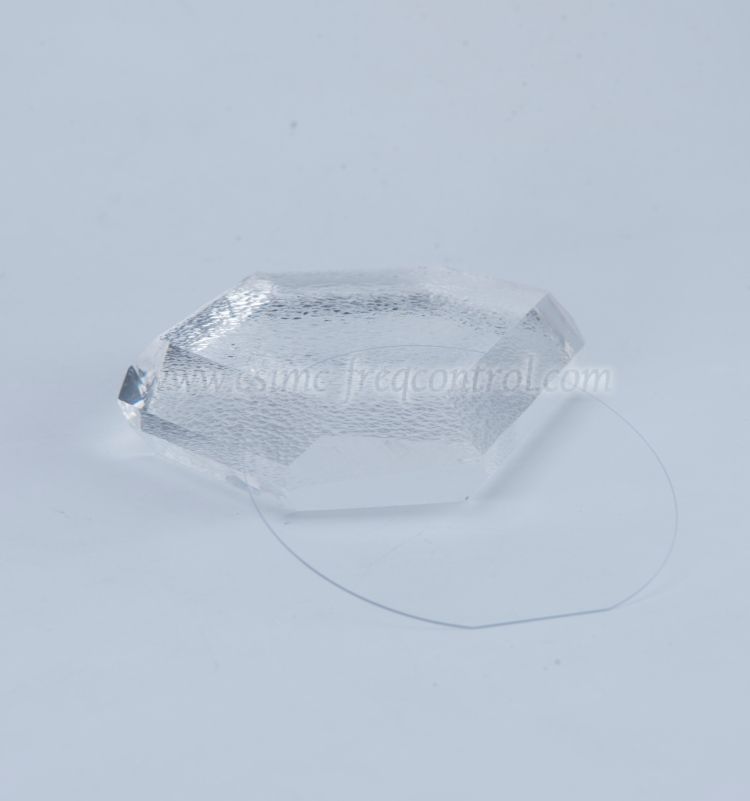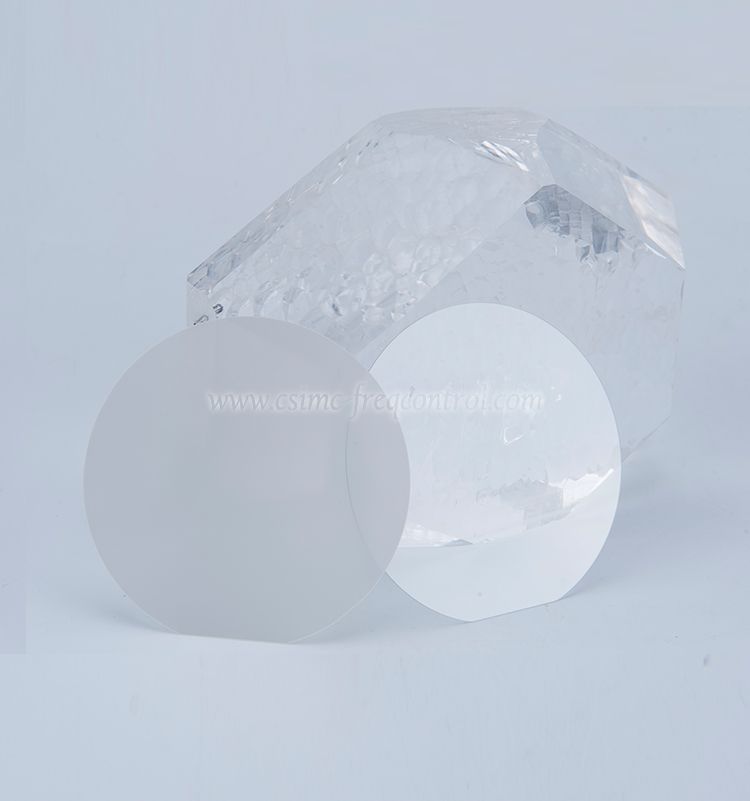

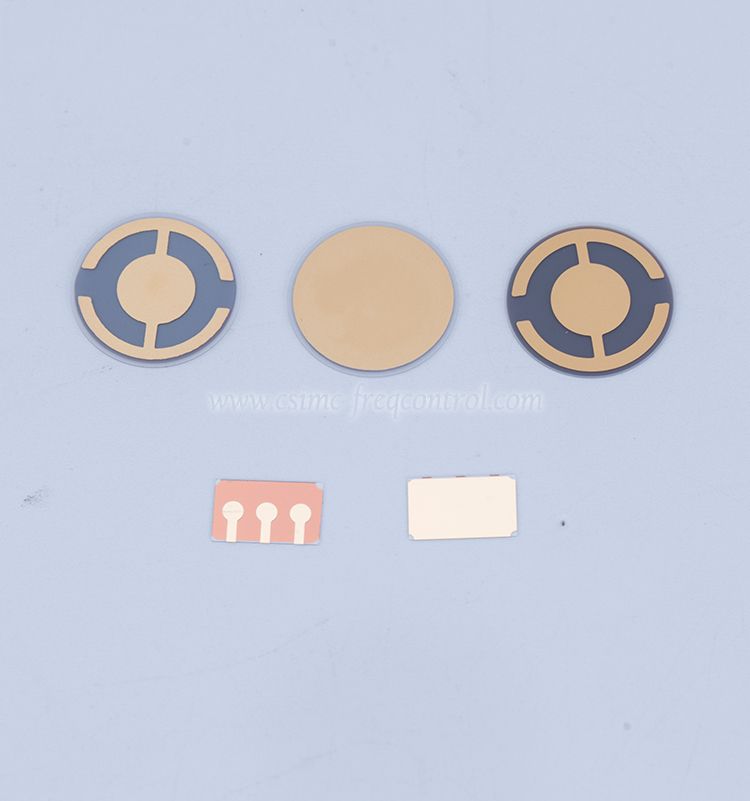
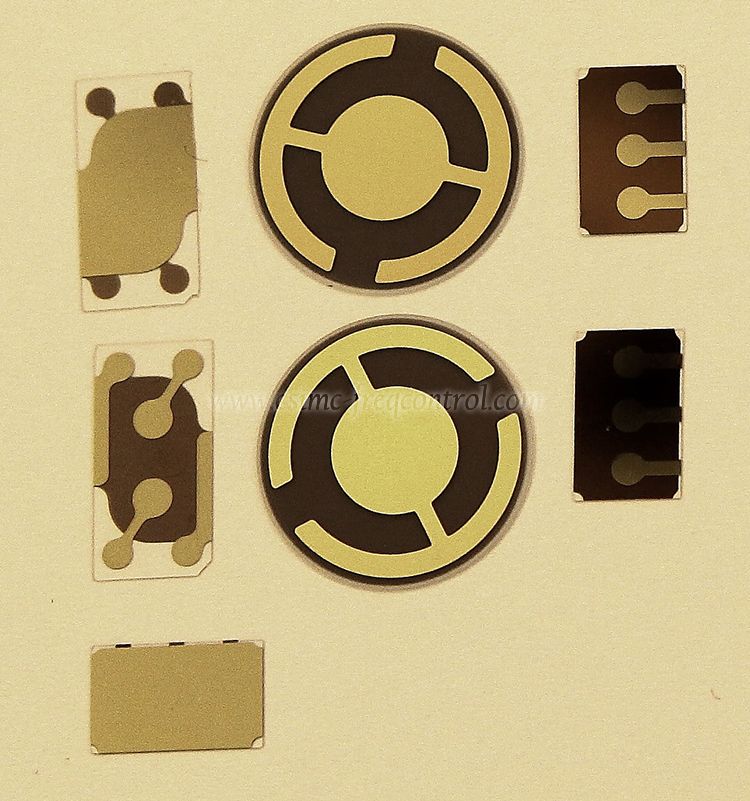

A biosensor is an analytical device, used for the detection of an analyte , that combines a biological component with a physicochemical detector. The sensitive biological element is a biologically derived material or biomimetic component that interacts (binds or recognizes) with the analyte under study.
A biosensor is an analytical device, used for the detection of an analyte , that combines a biological component with a physicochemical detector. The sensitive biological element is a biologically derived material or biomimetic component that interacts (binds or recognizes) with the analyte under study. The biologically sensitive elements can also be created by biological engineering. The transducer or the detector element (works in a physicochemical way; optical, piezoelectric, electrochemical, etc.) transforms the signal resulting from the interaction of the analyte with the biological element into another signal (i.e., transduces) that can be more easily measured and quantified. The biosensor reader device with the associated electronics or signal processors that are primarily responsible for the display of the results in a user-friendly way. We are usually custom-designed and manufactured to suit the different working principles of biosensors.
Quartz crystal microbalance biosensors provide several important benefits:
Label-free detection
No need for fluorescent or chemical labels
Real-time monitoring
Enables continuous observation of binding interactions
Ultra-high sensitivity
Detects minute mass variations with high precision
Broad compatibility
Suitable for biological, chemical, and environmental targets
Reliable and repeatable performance
High-quality quartz ensures consistent results
Quartz crystal microbalance biosensors are widely used across multiple industries:
Biomedical and Clinical Diagnostics
Detection of proteins, biomarkers, and pathogens
Immunoassays and disease diagnostics
Drug interaction and binding studies
Environmental Monitoring
Detection of pollutants and toxic substances
Water and air quality analysis
Food Safety and Quality Control
Identification of bacteria, allergens, and contaminants
Monitoring of food processing conditions
Surface Science and Material Research
Thin film deposition analysis
Adsorption and desorption studies
Coating performance evaluation

Quartz crystal microbalance biosensors combine the precision of quartz crystal technology with the specificity of biological recognition, enabling highly sensitive and real-time detection of mass changes. Their reliability, versatility, and accuracy make them a key technology in modern analytical applications.
As demand continues to grow for fast and precise detection methods, quartz crystal microbalance biosensors will remain an important solution in scientific research, healthcare, and industrial monitoring.
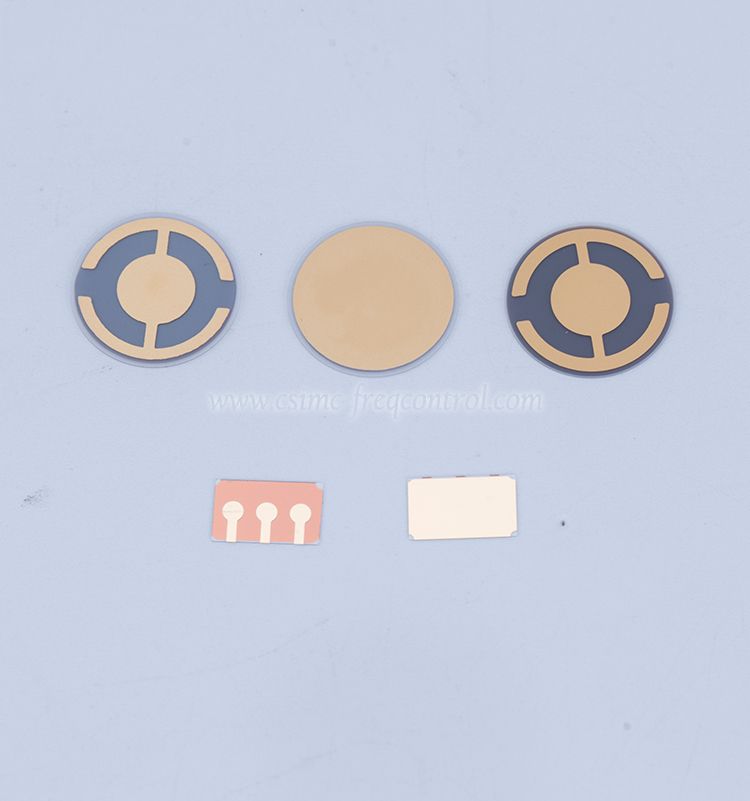
our running series typical chips
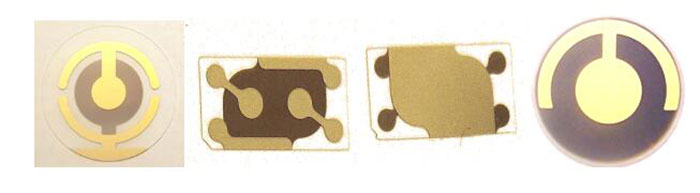
The following spec sheet is a typical one, you may freely tell us and we’ll pleased to customize them for you.
| Quantity | More than 1.5 million monthly |
| Cut Type | Thickness Shear Mode (TSM) |
| Nominal Frequency | 16.5 MHz +/- 165KHz |
| Crystal Cutting | 35 degrees 15' +/- 3' (AT cut) |
| Operating Temperature | 37º C +/- 2º C |
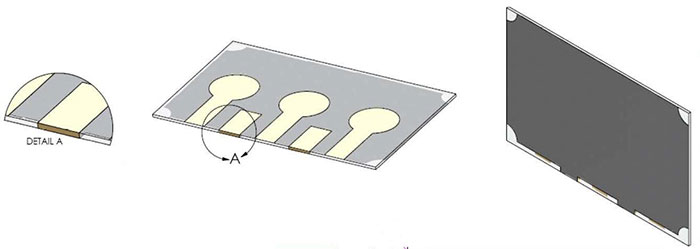
| Footprint Size | 8.6 +/- 0.05 mm x 5.4 +/- 0.05 mm, see drawing1 |
| Bottom Side | 3 1.7 mm diameter |
| Number of Electrodes | |
| Electrode Size | |
| Top Side | 18.6 mm x 5.4 mm |
| Number of Electrodes | |
| Electrode Size | |
| Electrode Plating | 10nm Chromium Layer90nm Gold Layer |
| Shear force | ≥7g |
| Deposition Rate | 0.8 nms-1 at nominal room temperature |
| Aging frequency drift at 25 degrees: | ≤2% |
Temperature frequency shift (how much can the frequency change over the operating temperature range of 35 to 39 degrees) | as low as possible (e.g. << 1 ppm) |
| Storage temperature range | assume similar range for IVD device (e.g. 2 °C to 30 °C) |
| Shunt capacitance and load capacitance spec | no preference |
| Voltage which it will be driven | in the 100s mV range |
| Drive level amount of power that will be dissipated | no preference |
| Insulation resistance | expect less than 200 ohms, see drawing 2 |
| ESR (equivalent series resistance) | low ESR and high quality factor |


Copyright © Hangzhou Freqcontrol
Electronic Technology Ltd.
All Rights Reserved | Sitemap |
Powered by 







 中文
中文